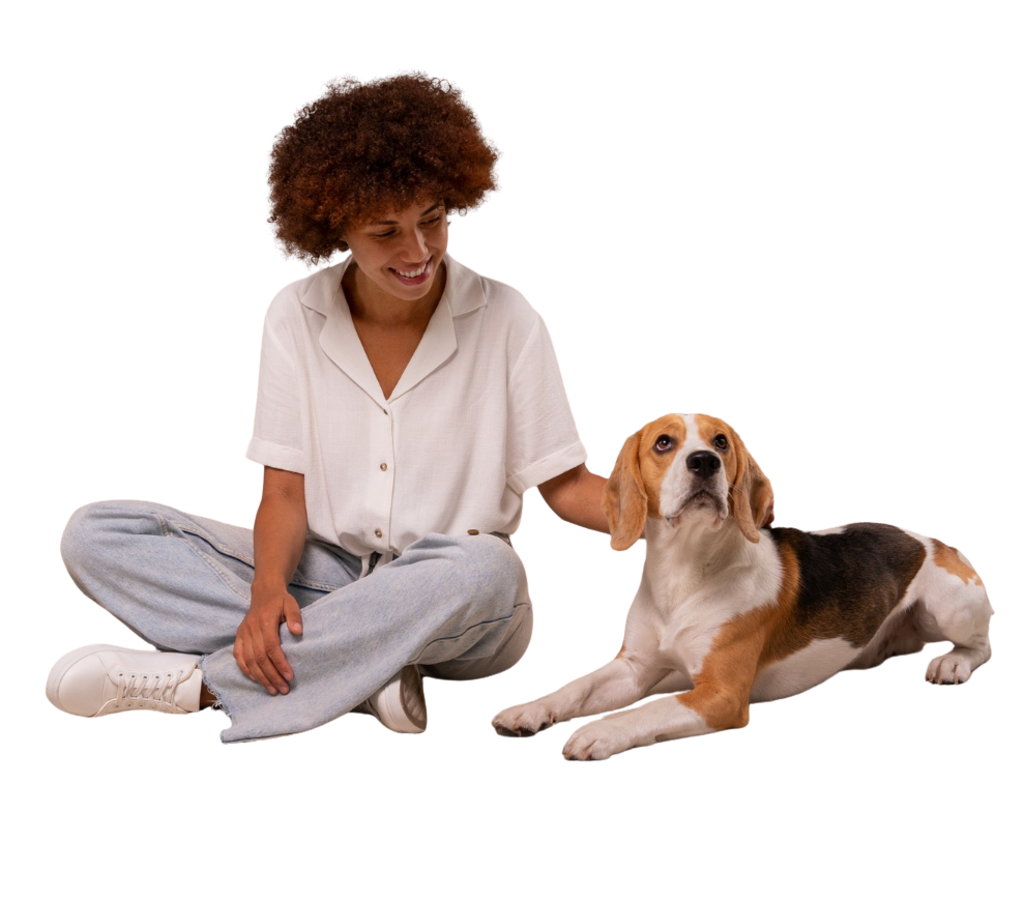
Whether you are getting started with a new puppy or refining focus and reliability around distractions, these programs are designed to help create a dog that is easier to live with and more enjoyable to take anywhere.
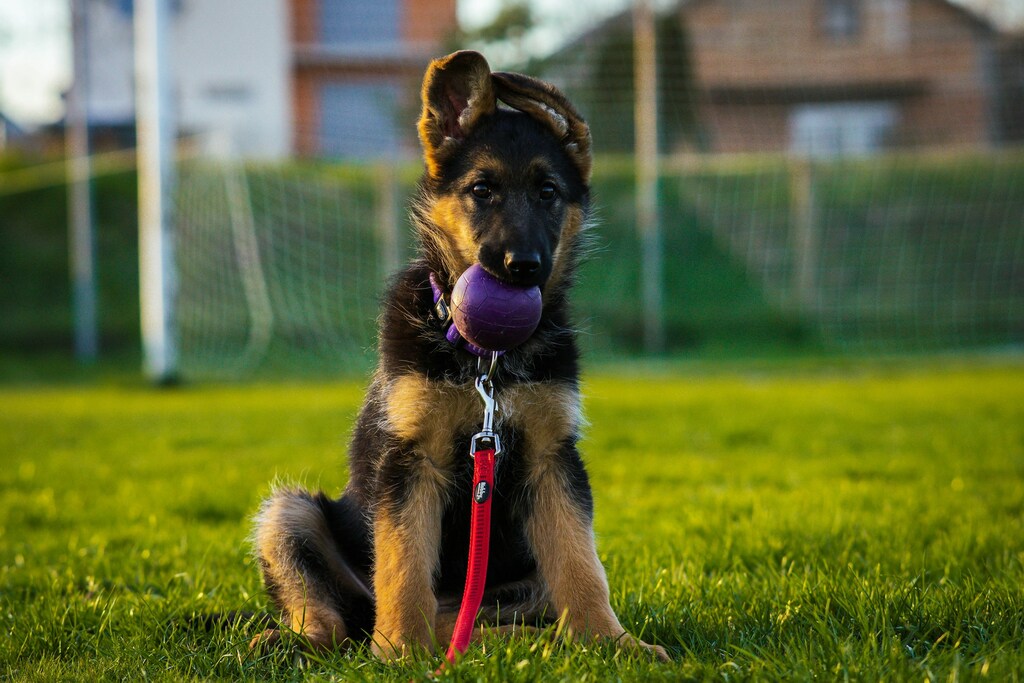
Early training helps prevent bad habits before they take hold and gives your puppy a smoother transition into family life.
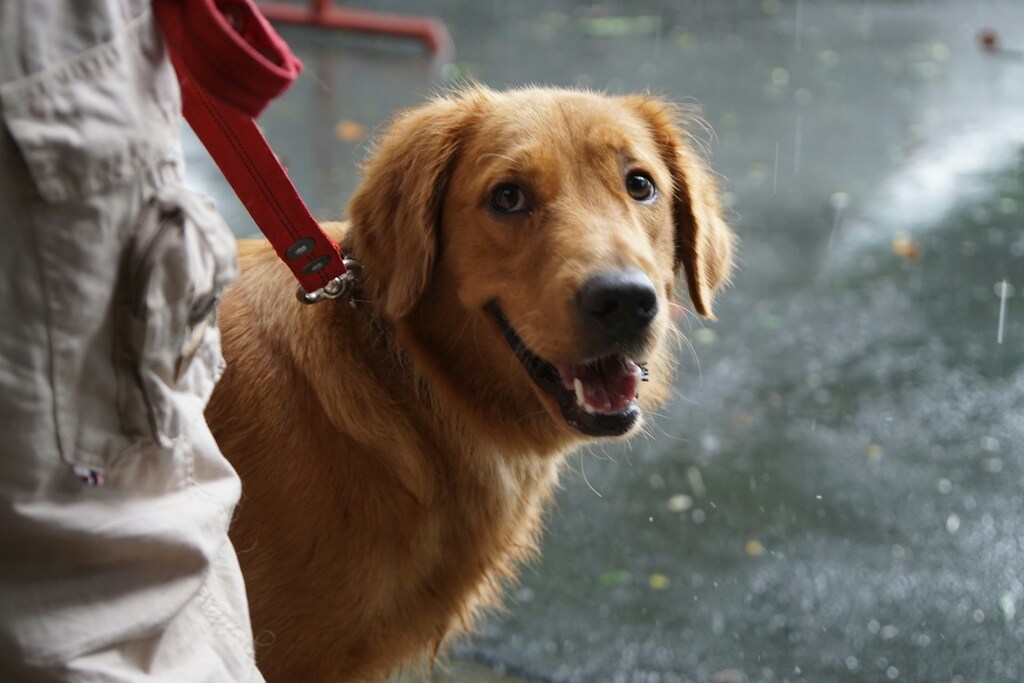
Build a dog that listens, stays focused, and behaves well in everyday life with practical foundational training.
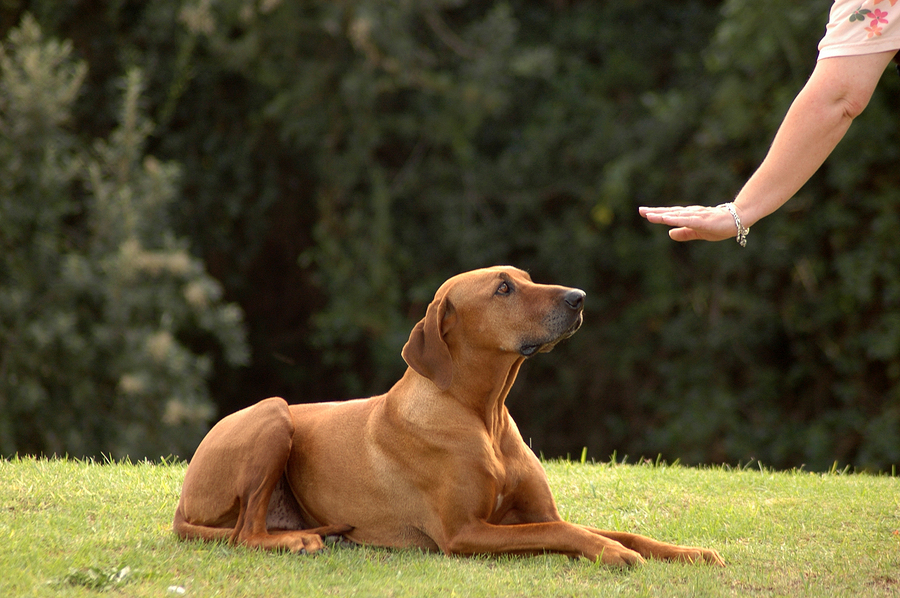
For busy owners who want faster momentum, extra sessions during the week can help do more of the heavy lifting while you stay involved and up to speed.
For owners ready to build more control in more challenging environments, this training sharpens reliability and responsiveness as expectations grow.
Some dogs need more than basic commands. They need a thoughtful behavior plan that addresses what is driving the reactions, what is reinforcing them, and how to change those patterns in a healthy, humane way.
Unwanted behaviors can create constant stress at home, but they usually make sense from the dog’s point of view. The goal is not just to stop the behavior on the surface, but to understand what is fueling it and reshape the environment and response pattern.
Fear, aggression, anxiety, separation issues, and phobias require the right kind of help. A well-designed behavior modification plan aims to change the dog’s emotional response to triggers instead of simply suppressing the behavior through intimidation.
Build trust while helping your dog feel secure, understood, and guided.
Teach clear cues and consistent expectations so your dog understands what to do.
Create better daily habits, better choices, and calmer interactions at home and beyond.
That starts with understanding your dog’s behavior, age, temperament, and the challenges you are dealing with at home. Some dogs need a strong obedience foundation, while others need more focused help with reactivity, anxiety, aggression, or other problem behaviors. The right program should fit your dog and your goals.
In-home training allows the work to happen where your dog’s real behavior shows up every day. That means training can focus on your dog’s routines, distractions, triggers, and home environment, making the coaching more personal and more practical.
Yes, many of these behaviors can improve with the right structure, consistency, and training approach. The first step is identifying what is driving the behavior so the plan can address the cause, not just the symptom.
Absolutely. Many dogs know commands in a calm setting but struggle to listen in real-life situations. Training helps build reliability, better focus, and clearer communication so your dog can respond when it matters most.
That is exactly why a more personalized training approach can be so valuable. Dogs dealing with fear, anxiety, reactivity, or aggression often need a plan built around their specific triggers and home environment rather than a one-size-fits-all class setting.
Your involvement matters. Even if you choose a program like day training, long-term success comes from making sure you know how to reinforce the work at home. The goal is not just to train your dog, but to help you lead with more confidence too.
Scott works with families across northern New Jersey to improve behavior, strengthen communication, and help dogs become easier to live with, walk, and enjoy.